Metal Fabrication in Roseville, California
Roseville is 14 miles from our shop, twenty minutes up Hazel Avenue or I-80. It is the largest city in Placer County and its industrial character is set by one enormous piece of infrastructure sitting in the middle of it: Union Pacific's J.R. Davis Yard, which the railroad describes as the largest rail yard west of the Rockies.
That matters practically, not just as trivia. Roughly 950 acres of classification yard, about six miles long, with hump capacity in the range of 2,000 cars a day, means a large share of this city's industrial land is rail-adjacent. Metal fabrication work near an active railroad right-of-way carries requirements that most contractors discover too late — and they are expensive to discover late.
Coverage
- 14 mi
- Rancho Cordova shop to Roseville, Hazel Ave or I-80
- ~20 min
- Drive time. Same-day site walks are routine.
- 300 mi
- Inside the full EPC and preventative-maintenance band
- 600 mi
- Field services, fabrication delivery, and rigging
What We Build for Roseville Facilities
Warehouse and distribution steel. Mezzanines from $18,000, dock and access steel, pick modules, safety guarding, column protection, and the guardrail that keeps a forklift out of a rack line. South Placer's distribution inventory keeps growing and it all needs the same package.
Rail-adjacent structural steel. Loading and unloading structures, dock steel, access platforms, transfer supports, and guarding around track where people and equipment share space with rail movement.
The full detail
Equipment platforms and mezzanines. Elevated platforms for mechanical equipment, chillers, pumps, and process support, plus the mezzanine steel that buys vertical space in a building that has run out of floor.
Healthcare and institutional facility steel. Equipment platforms, rooftop and mechanical support steel, screening and enclosures, access systems, and handrail and guardrail for hospital campuses — work that has to happen quietly, cleanly, and around a facility that never closes.
Light manufacturing support steel. Machine bases, equipment frames, guarding, conveyor supports, and the structural work that fits a new machine into an existing plant layout.
Commercial and architectural steel. Handrail from $140 per linear foot, 42-inch OSHA guardrail, ADA rail, fixed ladders, roof access hatches, trash and generator enclosures, bollards, awnings and canopies, and gates for the general contractors and property managers building out the Foothills and Douglas corridors.
What Roseville Actually Runs On
Rail first. Union Pacific's J.R. Davis Yard is the operational heart of the city's industrial geography — around 950 acres, roughly six miles end to end, with something on the order of 55 classification tracks and 247 switches, handling a very large share of Northern California's rail traffic. A yard that size is itself a heavy industrial facility, with locomotive servicing, fueling, maintenance shops, and the supporting contractors that keep it running.
Healthcare is the other pillar, and it is bigger than most people assume. Sutter Roseville Medical Center operates over 400 licensed beds, and Kaiser Permanente Roseville runs in the same range with a roughly billion-dollar bed tower expansion in progress. Two hospital campuses at that scale generate continuous facilities work — mechanical platforms, rooftop steel, screening, access systems, and equipment support — under constraints a factory does not have.
The full detail
Roseville Electric is worth knowing about as a genuine operational difference: the city runs its own municipal electric utility rather than buying from PG&E. For a project, that changes who you coordinate with on service, metering, and outage planning, and it means the utility's own generation and distribution facilities are local industrial infrastructure in their own right.
On the technology side, Hewlett Packard Enterprise still operates in Roseville, though at a fraction of its former scale — the city's own financial reporting shows the site down to a few hundred employees from more than two thousand a decade earlier. It is an example of a pattern worth naming: several large Roseville campuses now have more building than occupant, which is exactly the condition that produces tenant improvement, subdivision, and repurposing work.
The industrial and flex inventory concentrates along Foothills Boulevard, the Douglas Boulevard corridor, and the parcels around the yard, with newer distribution product pushing north and west toward Lincoln.
Getting to Your Roseville Facility
14 miles, about twenty minutes on Hazel Avenue or I-80 depending on where you are. Foothills, Douglas, the hospital campuses, and the yard-adjacent parcels are all inside a twenty-five-minute drive.
At that distance we iterate instead of front-loading. Measure in the morning, bring a template back the same afternoon, confirm fit before committing material to a full run. There is no mobilization charge to come look at something in Roseville, and for hospital work in particular the ability to make a second and third short visit — rather than one long disruptive one — is worth real money to a facilities manager.
Roseville also sits on the way to Chico and Redding, so northern runs frequently start with a Roseville stop.
Two Roseville Constraints Worth Planning Around
Working near the railroad has its own rulebook, and it is not optional. Any work on, over, under, or immediately adjacent to Union Pacific's right-of-way generally requires a right-of-entry agreement from the railroad before anyone sets foot on it. That typically brings with it railroad-protective liability insurance at limits well above ordinary commercial coverage, railroad safety orientation for every worker on site, and — for work close to live track — a railroad flagger whose time the contractor pays for. Crane and lift work near track gets additional scrutiny because a boom that can reach the right-of-way is treated as a hazard whether or not you intend to swing it there. None of this is difficult; all of it has lead time, and none of it can be arranged the week of. If your project is anywhere near the yard or a spur, tell us at the first conversation so the right-of-entry and insurance timeline goes into the schedule rather than surprising it. Confirm current requirements directly with Union Pacific for your specific location.
Hospital work runs on rules that look nothing like industrial work. Two large medical campuses mean a steady stream of projects executed inside occupied, licensed facilities that never close. In practice: infection control risk assessment requirements that dictate barriers, negative air, and cleanup standards; interim life safety measures when egress or fire protection is temporarily affected; noise and vibration restrictions near patient care areas that can push work to nights and weekends; and hot work permitting that is stricter than most industrial sites. California healthcare construction also carries its own state-level plan review and inspection regime for many project types, which affects the schedule before fabrication starts. Our approach is prefabrication — as much of the work as possible happens in the shop, so on-site time is short, quiet, and clean. Confirm the applicable review requirements with your facilities department and the state authority having jurisdiction.
Published 2026 Budget Pricing
We publish our numbers. Nobody else in this market does. These are Northern California fabrication-only budget ranges.
| Item | 2026 budget range |
|---|---|
| Light-duty steel mezzanine | $18,000–$35,000 |
| Heavy industrial steel mezzanine | $35,000–$75,000+ |
| Guardrail system, 42" OSHA | $165–$225 per linear foot |
| Standard steel handrail, 2-line | $140–$185 per linear foot |
| ADA-compliant rail | $180–$240 per linear foot |
| Fixed ladder, 20–30 ft | $3,500–$7,500 |
| Steel-framed roof access hatch | $3,500–$8,000 |
| Standard steel bollards | $450–$850 each |
Fabrication only. Final pricing moves with material selection, structural requirements, engineering review, finish type, complexity of fabrication, and project scope and quantity. Installation is quoted after a site visit and field review. See the full 2026 price guide →
Related Work
OEM equipment install, live plant → — Structural and access steel prefabricated off site, equipment set with our own rigging crew, utilities tied in, handed over ready for commissioning. On schedule, zero unplanned downtime. The same prefabrication discipline a hospital or a rail-adjacent site requires.
Water tank structural rehabilitation → — Structural rehabilitation and access steel on a tank. Relevant to municipal, utility, and campus water infrastructure across south Placer County.
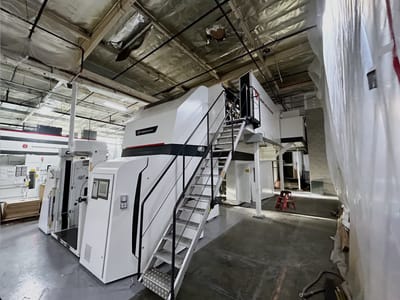
OEM EQUIPMENT INSTALL — ACCESS STAIR AND PLATFORMMANUFACTURING · LIVE PLANT · DWG PRJ-01 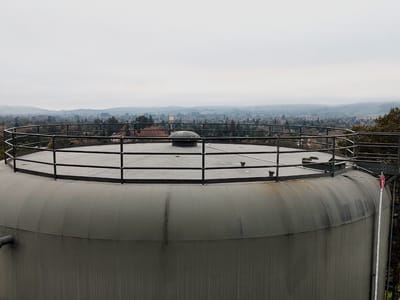
WATER TANK — PERIMETER GUARDRAILWASTEWATER · DWG PRJ-06


Service area
Nearby
Divisions
Related services
Structural Steel Fabrication and Erection
Structural and miscellaneous steel fabrication in Rancho Cordova. Platforms, mezzanines, supports, and access systems. Engineers on staff who stamp.
In-House Rigging and Equipment Setting
Fully in-house industrial rigging. Receive, offload, stage, and set equipment with our own personnel. 600 miles from Sacramento.
Subscription Preventative Maintenance Programs
Subscription preventative maintenance within 300 miles of Sacramento. Scheduled visits, consumables, safety-device checks, photo-documented reports.
Industries
Industries this work runs in
Manufacturing and Assembly Line Equipment Installation
Manufacturing and assembly line equipment installation in live plants. Rigging, structural supports, utility tie-ins, commissioning support.
Packaging Line Installation and Integration
Packaging line installation and integration. Fillers, cappers, labelers, case packers, palletizers, conveyors. Set, tied in, and ready to commission.
Campus Facilities and Research Equipment Installation
Campus facilities contractor for equipment installation, structural steel, and utility work. Sequenced around class schedules and shutdown windows.
Portfolio
Related project work
OEM Equipment Install in a Live Plant, Zero Unplanned Downtime
OEM equipment installed inside an active manufacturing and processing facility with no extended shutdown window. No unplanned downtime occurred.
Industrial Water Tank Structural Rehabilitation
Industrial water tank structural rehabilitation, railing and access improvements, and elevated field welding on an in-service tank.
Coverage
- 600 mi
- Field services, installation, fabrication delivery, and rigging from Sacramento
- 300 mi
- Full EPC delivery and preventative-maintenance programs
- Nationwide
- Engineering, design, and fabrication for shipment
Frequently Asked Questions
Our building backs onto the rail yard. Does that complicate a project?
It adds process and lead time rather than difficulty. Work on or immediately next to Union Pacific's right-of-way generally needs a right-of-entry agreement, railroad-protective liability insurance at higher-than-usual limits, safety orientation for everyone on site, and often a paid railroad flagger when work is close to live track. Crane work gets extra scrutiny because a boom capable of reaching the right-of-way is treated as a hazard regardless of intent. Tell us early and it goes into the schedule as a known item. Confirm the current requirements directly with Union Pacific for your location.
Can you work inside an occupied hospital?
Yes, and the method is prefabrication. The constraints in a licensed, occupied facility — infection control barriers and negative air, interim life safety measures, noise and vibration limits near patient areas, strict hot work permitting — all reward doing the work in the shop and keeping on-site time short. We would rather make three quiet short visits than one long disruptive one. California healthcare projects also carry state-level plan review for many scopes, which affects the schedule before fabrication begins, so we want the project type identified early. Confirm applicable review requirements with your facilities department.
We are subdividing a large campus building for multiple tenants. Can you help?
Yes, and it is increasingly common here. Several Roseville campuses now have considerably more building than occupant. The recurring problems are structural rather than cosmetic: new openings in existing walls and floors, equipment landing on slabs never designed for it, shared utility infrastructure that does not divide cleanly, and as-built drawings that describe the original design rather than decades of modification. We field-verify the actual conditions and have our engineers evaluate the existing structure before designing anything new.
Does Roseville having its own electric utility change anything?
For coordination, yes. Roseville Electric is a municipal utility rather than PG&E, so service changes, metering, and planned outages are arranged with the city. It rarely changes the steel, but it changes who you are waiting on and how long — and on a project where equipment needs a new service or a temporary outage, that is schedule. Worth identifying at the start rather than mid-project.
Do you do the guardrail and bollard work for a new distribution building?
Yes, and it is a well-defined package we quote off published numbers: 42-inch OSHA guardrail at $165–$225 per linear foot, standard steel bollards at $450–$850 each, plus dock steel, column protection, and access. For a new-build in the Foothills or north Roseville corridor, send the layout and the rack plan and we will scope the whole protection and access package at once rather than piecemeal.
Are you close enough for ongoing maintenance work, not just projects?
Yes. Roseville is fourteen miles out and well inside our 300-mile preventative maintenance band, so scheduled PM visits, safety-device verification, and facility condition assessment with photo documentation all work here — and at twenty minutes, a same-week response to something that broke is realistic rather than aspirational.
Call (916) 842-7402
Send drawings, a photo, or a rough scope. We answer with questions before we answer with a number.
Miller 3 Engineering · 2530 Mercantile Dr Ste H, Rancho Cordova, CA 95742 · CA LIC #1136711